first-time landlords

Essential Tips For First-Time Landlords

Investing in real estate is one of the best ways to grow your wealth, and one of the most lucrative investment strategies is investing in rental properties. However, while owning a rental property is a great way to earn extra income, being a landlord comes with its challenges.

The stress of being a landlord can be overwhelming if you have never owned a rental property before. Being a DIY landlord involves many responsibilities. As a new landlord, it’s important to create useful habits that can help you with your venture. 

The tips included in this blog can help you with your rental property business, as well as build habits that can make you a successful landlord.

Set a Budget for Renovation and Stick to It

Before you rent out your property, you must ensure it’s ready for occupancy. Often, you will need to renovate or improve the property so you can compete in the market. Home renovations and improvements are necessary if you want to increase the value of your investment asset and attract quality tenants.

However, many new property owners make the mistake of over-investing in their renovations. To meet your financial goals, it’s crucial to set a budget for renovations and stick to it. Only renovate what is needed, and make improvements that can add value to your property.

three people looking over different graphs and stats

An example of a renovation to consider is changing your carpeted floors into hardwood. Hardwood flooring is easier to clean and maintain. It’s also durable and won’t get stained or damaged easily. Investing in hardwood floors can be a big selling point, and you can justify a higher rental rate too.

Know the Landlord-Tenant Law in Your Area

You have to understand that there are legal rules involved with operating a rental business. Here are a few things that you should find out:

  • Security deposit: Find out what is the maximum limit of security deposit you can charge is. Also, learn the allowable deductions and when you should return the security deposit after the tenant moves out.
  • Lease termination: In some cases, tenants may be allowed to terminate the lease before the term ends without penalty. Find out the permitted reasons for early termination.
  • Landlord responsibilities: Landlords are expected to provide a habitable dwelling place. To do this, landlords should address repairs within a reasonable timeframe and keep up with routine inspections.
  • Eviction: Landlords have the right to evict tenants who violate the terms of the lease agreement. Find out the legal grounds for eviction and the right procedure for this.
  • Fair Housing Act: This law prohibits landlords from discriminating against tenants on the basis of color, race, nationality, sex, religion, family status, and disability. Learn whether your local jurisdiction has additional protections for classes not mentioned.

judges gavel and legal balance on a desk

Get Your Property Insured

Your rental property is not just your business—it’s your investment. You have to protect it by getting the right insurance. Aside from a regular homeowners insurance policy, you also need a landlord’s insurance to protect against damages, lost rental income, and liability. It’s also best to advise tenants to get renter’s insurance so their personal belongings are also protected.

Screen Tenants Thoroughly

Tenants are your customers, and they will be the major source of your income. That being said, you should not say yes to the first person who wants to rent your property. If you end up with a bad tenant, you’ll not only experience a high amount of stress but possibly monetary losses too.

Screening tenants properly before allowing them to sign a lease is crucial if you don’t want to deal with problematic renters. Check their past tenancies, as well as their financial capabilities, general background, and credit history.

Take Before and After Photos

Before you let a tenant move in, make sure to take photos of your rental property with detailed descriptions of its condition. Give a copy to your tenants so they can have a reference when maintaining and cleaning the property. 

cannon camera on top of a laptop

At the end of tenancy, take photos of how the property. Any damage that is not part of normal wear and tear should be covered by the tenant’s security deposit. Having photos can help you with any complaints from tenants who refuse to pay for the damages they may have caused.

Prepare for Vacancies

You will experience vacancies from time to time. That is a normal part of owning a rental unit. When your rental is vacant, you won’t generate cash flows that can help you pay for your expenses. Make sure to prepare for vacancies and have available cash to cover the mortgage and other expenses that you need to pay, including insurance and taxes. 

You also want to establish a solid marketing plan to reduce vacancy periods and spread the word about your available units. 

Consider Hiring a Property Manager

As a first-time landlord, getting started with all these tasks can get too overwhelming. In fact, even seasoned rental property owners need help managing their rental investments. It’s recommended to work with a trusted professional property management company that is knowledgeable about the local rental market you are in.

Property managers will take care of your rentals, including marketing the property, screening tenants, responding to tenants’ requests, handling repairs and inspections, collecting rent, and preparing for taxes. 

Bottom Line

If you’re a first-time landlord, following the tips listed above can help your rental operation run more smoothly. You can also hire a property management company. Consider partnering with the team at Home Choice Property Management. 

With us as your property manager, you won’t need to worry about every small detail related to your rental business because you can rest assured that we’ve it all well taken care of. Contact us today to learn about our services! 

move out letter

What Landlords Should Know About Move-out Letters

What happens if a tenant wishes to vacate or if the length of their tenure has ended? A number of activities must be agreed upon including inspecting the property, gathering the keys, returning the security deposit, and more.

A move-out letter is a formal written communication from an owner to a tenant informing them of the dates on which they must leave the rental unit and the expected condition of the property should be found in. It gives the tenant enough time to plan their move. Additionally, it can allow the landlord ample time to schedule remodeling and start looking for new occupants.

A thoughtful, thorough letter could aid in safeguarding your rental property. A move-out letter’s main purpose is convincing tenants to vacate your property promptly and leave it in excellent shape. This article explains the significance of a move-out letter and the benefits landlords could gain from it.

What Is A Move Out Letter?

Understanding the Purpose of the Letter can be confusing because landlords utilize so many various types of notices when dealing with tenants.

A letter informing your renter of the date they must evacuate the property is known as a move-out letter. A notice to leave can be utilized in both evictions and lease termination situations. However, termination situations are where it’s most frequently used.

placing a white envelope with an US stamp into a silver community mailbox

Depending on state and local policies and guidelines, there are several time frames for handing out a move-out notice. Make sure you comply with them by researching the local move-out laws. To establish how much notice you must provide your tenants, it’s a good idea to consult a local lawyer or property management firm that has knowledge of local real estate law.

What Purposes Does a Move-Out Letter Serve?

There are some situations where you’ll need to use a move-out notice. Each of the following situations has certain guidelines governed by the laws of your state and the local jurisdiction:

Non-renewal of a Lease

Has either you or the tenant decided not to extend the lease? If this is the case, you must give a minimum of 30 days’ notification to the tenant in a move-out letter to formally terminate the lease terms.

Terminating a Month-to-Month Contract

You must grant tenants reasonable notice when the date is approaching for them to vacate because month-to-month leases lack the solidity of longer-term lease agreements.

Defaults in Lease Provisions

You may serve a move-out letter if you find that the renter breached the conditions of the lease contract but that immediate eviction is not necessary.

a lease agreement document with a pen on top

Not Available for Rental

The move-out letter should be utilized each time you sell, remodel, occupy, or take the home off the rental market. Make sure you are familiar with your local regulations because certain states have particular requirements regarding this circumstance.

Reasons to Send a Move-Out Letter

A move-out notice can have several advantages for the landlord and the vacating tenant:

  • It may help to guarantee that the tenant vacates on amicable terms.
  • It can prevent misunderstandings by listing all move-out conditions.
  • It gives your tenant enough time to finish all responsibilities if it’s delivered with sufficient notice.

Tips For Drafting a Move-out Letter

Each property investment is distinct and can need particular care. Therefore, the details contained within a tenant move-out statement will vary considerably. Here are some pointers to get you going:

  • Specify the delivery date
  • Include a phone number and email address
  • Give your tenant notice of the departure date and a justification. 
  • Include information on a lease renewal screening and any modifications in rent if they have the option to do so
  • List crucial dates, such as the anticipated departure date and the date of the move-out inspection
  • Give instructions about leaving your keys behind
  • Detail the security deposit procedure

hand on a computer mouse with a wireless keyboard and a laptop on a desk

Get Ready with a Move-Out Checklist

Assess the unit before the renter vacates once the expiration of the lease date has been established. This enables you to walk the tenant through the home and discuss any issues that need to be resolved before they go.

Fixing problems before moving out is in the tenant’s best interest since it increases the likelihood of receiving their entire deposit back. It benefits landlords because there will be less work to be done in between tenancies. When you inspect the property before the tenancy ends, keep an eye out for the following:

  • Faulty carbon monoxide or smoke detectors
  • Mold or dampness
  • Blocked or damaged gutters and drains
  • Indications of pests
  • Significant imperfections that go beyond normal wear and tear
  • Appliances or electrical issues

The move-out checklist may advise a renter to do the following after finishing the inspection: 

  • Clean every bathroom
  • Sanitizes windows, floors and counters
  • Eliminates all trash
  • Unless they have prior written consent to do so, ensure that the paint is the original color
  • Vacuum, mop, or sweep the floors

Hire a Professional Property Manager

Writing move-out letters is crucial to being a well-organized landlord. A professional property manager can help you draft one, in addition to helping manage current and future tenancies. They can market the property, draw in dependable tenants, maintain your rental, collect rent on time, and take care of the practicalities of moving out.

Bottom Line

Having a well-written move-out letter benefits both the landlord and the tenant. However, you have to ensure that you follow local and state laws when sending tenants notices and carrying out other rental-related duties. 

It could be difficult to complete all of this as a self-managing landlord. Home Choice Property Management will work with you to ease any pressures relating to property ownership. Our real estate team and property management professionals have years of practical expertise. Contact us today to learn more about our services!

holdover tenant

Holdover Tenant

There are times when a tenant stays at a property after the official tenancy has concluded. These tenants are known as holdout tenants. Removing them from the property can be a delicate and complicated process. 

Keep reading to learn about holdout tenants and your options if you’re dealing with one that refuses to vacate after their contract runs out.

What Does Holdover Tenant Refer To?

Without the owner’s express permission to stay past their lease term, a tenant is considered a holdover. Normally, this tenant stays in the house, provided the owner doesn’t take any action. In the real estate industry, holdover tenants are a common problem, but due to modifications in legal requirements, addressing the issue can differ from state to state.

What’s more, tenants often have a legal right to stay in the rental until a landlord takes action to have them removed from the premises. 

How Does the Issue of a Holdover Tenant Arise?

You could wind up with lingering tenants if a lease expires without your tenants signing a new one or indicating their desire to move. If the tenant continues to pay rent during that time, the tenancy will effectively turn into a month-to-month agreement. Most tenants, however, appreciate this since it enables them to live in the housing despite not entering a formal lease.

In the absence of an ongoing agreement outlining the tenancy’s terms, tenants could easily pose complications.

person holding up a lease agreement contract pointing to the signature line with a pen

Problems Associated with a Holdover Tenant

If you wish to have the tenant removed from the property, you need to consult with a local attorney or property management firm that has extensive knowledge of the state’s rental laws. This is because the standard eviction process may not always apply to holdover tenants. 

What’s more, because of the difficulties associated with removing such a tenant, you won’t have control over re-renting the property so filling vacancies and marketing could become challenging. In addition to this, planning for property maintenance or renovations could be a challenge with the holdover tenant residing in the rental. 

What to Do About a Holdover Tenant

Having a holdover tenant can make it difficult to know what to do. It’s essential to be conscious of every choice available to you as the property owner and respond quickly to prevent unwittingly placing yourself in a more difficult situation. Consider these three options if a tenant doesn’t depart after a lease:

 1. Let the Tenant Remain in the Rental

The first thing you may do is to let a tenant stay at the rental after their term has ended. Receiving their rent constitutes your agreement to their tenancy.

Because the implicit contract does not have a clear termination clause, this arrangement may be considered a periodic tenancy or month-to-month lease depending on the terms of your initial lease and local laws. If your previous lease lacked these clauses, it might be in your best interest to sign a new one rather than risk remaining in a precarious situation. Note that when doing this, you won’t be able to evict them on the basis of being a holdover tenant.

house keys being held up with an unfurnished room in the background

2. Remove the Holdover Tenant

If the tenant is still present, but you don’t want them to remain at the property, it’s time to think about a holdover tenant eviction. Under this type of eviction, this tenant is approached as a trespasser while the eviction process is completed.

However, as previously stated, it will be harder to carry out the eviction if you receive rent from tenants who dwell longer than you anticipate. In this case, issue a 30-day notice to vacate for nonpayment.

After that, you should carry out the eviction in conformity with the guidelines established by local and state authorities. If you are awarded a positive eviction ruling, the renters may be removed from your rented home.

3. Get the Lease Agreement Dissolved

Even if the lease or local laws allow for some stay, you should legally terminate the contract if the tenant is past the end of the lease term. In most states, you can accomplish this by providing notice equal to the interval between rent payments.

Following the receipt of the notice, the renter has a specific timeframe to leave the property. If they resist leaving after the tenancy has been properly canceled, you must petition for eviction to regain the property’s control.

the thirtieth is circled in red on a calendar

Avoiding Holdover Tenants

You must provide your renter notice that the contract ends at least sixty days before the lease’s end date. Even better, when the expiration draws near, send them an additional notification to ensure they understand the terms of moving out.

If the tenant stays in the property after the completion of the lease period, don’t collect any rental income from them. Remember that after you receive rent, the tenancy changes to a month-to-month arrangement, and you cannot consider the tenant a trespasser making the removal process more complicated.

Closing Thoughts

The most common issue for most landlords dealing with a holdover tenant is that they are unaware of what to do. You may successfully deal with this issue if you ensure that your actions are rational and in compliance with the correct state and location regulations for holdout renters. That said, it may in your best interest to partner with a property management company.

At Home Choice Property Management, we strive to maximize the financial potential of our client’s investment properties. With over 10 years of property management expertise, Home Choice Property Management offers a wealth of knowledge for property owners in the area. Contact us today to learn more about our services!

Home-Choice-3

What Maintenance Issues Are Emergencies and What Can Wait for Regular Business Hours?

Most property owners in the industry know that property management is not a typical 9-to-5 job. A large amount of time and planning is needed for maintenance. Any form of maintenance involves planning, resources, and time. 

Effective repair policies depend on having a clear knowledge of what constitutes an emergency and what does not, as well as having a procedure for handling both. It’s crucial to be prepared for these situations by being aware of how to handle them. 

This article covers what defines an emergency, how to respond to calls received after business hours, and what you can do to prevent problems.

What Is Categorized as Rental Property Emergency Maintenance? 

In order to develop a system that effectively handles maintenance requests, it’s crucial to distinguish between urgent rental maintenance and routine maintenance that can wait. 

When a maintenance issue is expected to cause harm, significant property damage, or endanger the health and safety of a resident, the situation may be deemed an emergency. 

You have a limited amount of time to respond to an emergency maintenance request, fix the problem, and guarantee the safety of your rental property for your tenants. 

Here are some emergency maintenance examples to keep in mind:

  • Damaged water lines or frozen pipes
  • A leaking or flooded roof
  • A gas leak 
  • A fire 
  • Inadequate heat in winter
  • Prolonged power outages or electrical problems
  • Robberies that cause safety concerns or property damage beyond normal wear and tear 

Non-emergency Maintenance

It’s not necessary to consider each discomfort or inconvenience that renters encounter to be an emergency. Often, tenant complaints do not constitute an emergency.

Home-Choice-Property-Management-minor-home-repairs

Some issues that could arise in the late evening hours might be classified as maintenance concerns, but they can be resolved later in the morning during more regular working hours.

Tenants and landlords must use their best judgment in this situation. There is no need to treat these problems as emergencies because they do not endanger your renters’ health or safety. 

Although you’ll want to deal with them quickly, there’s no need to do it right away or outside your typical work hours. 

Examples of non-emergency rental maintenance include: 

  • Noise complaints
  • Parking conflicts
  • Minor leaks
  • Slow-draining sink or bathtub 
  • A clogged toilet
  • Malfunctioning electronics 
  • No hot water
  • No air conditioning

How to Handle Urgent Maintenance on a Rental Property

Engage in Open Communication

Once an emergency has been reported, constant communication is still necessary. You can’t merely get in touch with a maintenance technician and do nothing more. 

Spend some time chatting with your tenants to reassure them of the actions taken, the technician’s arrival time, and how to handle the situation right now while the technician is not yet present.  

It’s a good idea to check in with your tenants to know if they are content even after the problem has been fully resolved. This will safeguard the relationship between yourself and the tenant. 

Have a List of Emergency Contractors at Hand

It’s critical to have access to emergency services like the police, fire department, and gas company. However, landlords also need a trustworthy network of vendors they can rely on in times of emergency necessity. 

Home-Choice-Property-Management-firefighter

While finding someone during regular work hours can be easy, what happens if a pipe bursts in the middle of the night? Compile a brief list of reputable, around-the-clock service providers available for sudden maintenance needs. 

Have an Understanding Mindset 

Neither the landlord nor the tenant wants to deal with an emergency. A tenant calling you in the middle of the night can be angry, terrified, upset, or experiencing a variety of other emotions.

Even though you can also be alarmed and upset about the possible harm to your property, always keep a professional demeanor and respond to emergencies as they arise.

If a tenant contacts you about something that isn’t an emergency, gently explain why and give them instructions on how to submit a repair request in the future. 

Even if you give your tenants emergency maintenance recommendations for your rental property, it’s possible that some calls will fall outside of those guidelines. 

Instruct Your Tenants on What to Do 

There may be some circumstances where your tenant can assist in fixing the issue. Give your tenant guidelines on what to do in this case. 

Finding a temporary solution might make the issue much more tolerable and less harmful until you or a professional can arrive. 

Respond to the Important Issues 

Since no one can predict when an emergency will occur, taking prompt, clear action is essential. 

Home-Choice-Property-Management-maintenance-kitchen

For instance, try to understand what is happening after you are on the scene of a fire. Find the emergency response expert in charge and ask them to assess the damage and figure out what happened. 

Does the tenant need a place to stay in the meantime? Who is responsible for the situation? Does the tenant’s insurance cover unexpected expenses? 

The solutions to these queries will determine what has to be done next. No matter what, keep in constant and open communication with your tenants. 

Conclusion 

As a responsible property owner, it’s up to you to ensure that your rental property is habitable. You should also research what that entails in your area. Prioritize urgent maintenance requests that can jeopardize your health and safety or harm your property. 

It can be very difficult for someone who has just begun their rental business to ignore such calls, even if they come in the middle of the night. You may even constantly worry about and wish to safeguard your property.

This load can be lessened by hiring a property management company to look after your rental property. Home Choice Property Management is aware of the time and effort required to effectively manage an investment property. 

We’ll collaborate with you to ensure you receive excellent returns on your investments without having to deal with the burden of property management on your own. Contact us today to get started!

Home-Choice-1

How to Film a Great Video Tour of Your Rental

Property owners constantly seek fresh and original approaches to attract prospective renters. Due to the internet, property owners now have a simpler way to market their properties.

In addition to using property photographs as a marketing strategy, you can also employ rental video tours.

When you create a video tour of your rental, you might increase the number of requests you receive from potential tenants. A property tour is a powerful tool for promoting real estate if you have both the high-quality tools and the know-how.

Here at Home Choice Property Management, we’ll share our best advice on how to use a video tour to highlight and advertise your property’s best aspects.

Pay Attention to the Lighting

The quality of your lighting is crucial for videos, just as it is for taking images. The video should ideally be shot in the late afternoon.

Keep in mind that the windows may let in powerful sun rays, which make your video appear overexposed. Consider drawing your shades a little bit closer if you happen to record the video during intense sunlight.

You should be mindful of backlighting in addition to sunlight. Backlighting will happen when you aim your camera straight at the light source. We recommend you film with the sun on your back rather than on your face for best results.

You should also make a few minor modifications to the video’s natural lighting. Additionally, avoid turning on the built-in light on your smartphone, as natural light provides an incomparable quality.

Have a Strategy in Mind

Every successful outcome begins with a strategy. Ensure you have a shot list, so you know what you want to film and in what order before you start recording anything. This will guarantee that your transitions from one region to the next are seamless and steady.

Planning your filming route should take a few things into account for the best outcomes. You should make sure that your property looks its finest to start with. So, before the filming, you might wish to stage your house.

Next, you should consider how appealing the exterior of your property is. You should ensure the home’s exterior is beautiful, as you’ll probably begin there.

Additionally, you should focus on the distinctive characteristics of your house. Write out the distinctive qualities of your property, and then make sure to include them in the video.

Make Sure the Area Is Tidy and Clean

Creating a video tour is not so different from showing or staging a house. When you show a house personally, you’ll make sure that the property is in its best condition possible. All grime or dirt should be scrubbed clean from your property. The same standards should apply when doing a video tour.

Home-Choice-Property-Management-house-curb-appeal

This applies to your exterior as well. A great video tour will also capture the curb appeal and landscaping on the front and back yards. If you don’t have the time, resources, or expertise, consider paying somebody to put in the work.

A clean and tidy home will make your property stand out and make it alluring to potential renters looking to move into the area.

Map Out the Ideal Route

You need to choose the path for the video tour before pulling out the camera. The video tour has the same function as a property display.

It must include a complete overview of the entire rental property as well as the surrounding area. The video should also provide a seamless and perfect viewing experience. Planning in great detail is necessary.

Walk through the entire property after opening all the doors. Consider that you are showing the unit to a prospective tenant while they are standing beside you. Normally, you would begin by entering from the outside.

Pick out the aspects of each area or place you want to emphasize for the prospect. Having a notebook on hand will make it easier to record these details.

Create an Impactful Title

What impression do you want your rental property to leave on your target audience? Your target audience should be taken into consideration when creating your titles. You might include the number of bedrooms your house has in the video title if your target audience is large families.

Home-Choice-Property-Management-social-media-marketing

On the other hand, you can also include that precise information in the title of the video if the property is close to the business district and you want to draw in young professionals.

It is also wise to give the audience more significant information by including a brief description after the title.

Record an Intro and an Outro

To complete this how-to guide on video tours, note that your video may appear more polished, professional, and narrative-driven if it has both an intro and an outro. A few seconds should suffice. Keep them as brief as possible.

You can also include your website and professional email address information in the outro. Additionally, make use of your professional contact details to protect your privacy. You can use this to establish boundaries between your personal life and your rental business.

Remember to incorporate a call to action for both your intro and outro. This is to ensure that you provide them with information on how prospective renters can contact you if they’re interested.

Conclusion

It takes planning to create a fantastic video tour. Take your time to create a quality video and concentrate on making it straightforward and impactful. Instead of adding extra sequences, choose to cut.

Make the scenes brief and focus on the greatest elements that will make an impression on your target audience. However, if you don’t have the time or expertise to do so, consider hiring a professional property management business.

At Home Choice Property Management, we have over a decade of experience providing property management services. We’re a full-service property management firm committed to providing our customers with high-quality services. For more information about our services, get in touch with us today!

keep rental home safe

Tips to Keep Your Home (and Investment) Safe

As a rental property owner, you have to know how to keep your investment home safe. After all, your rental property is your income-generating asset. It’s also your responsibility as a landlord to provide a secure and safe place for your tenants. 

That is why it’s essential to take several precautionary measures to heighten your property’s security. Your goal is to prevent potential intruders and burglars from getting access to the rental unit. Here are a few effective tips that can keep your rental home and investment safe:

Choose Your Investment Location Carefully

Location is an important factor that can greatly impact a real estate investor’s success. If you choose to invest in a location that has a high crime rate, your investment home will be more at risk for various kinds of damages. This is why it’s crucial to get to know a neighborhood before deciding to buy an investment property in the area.

The safety of the neighborhood is one of the first things that you should look into when finding a property to invest in. Visit the place first and determine whether or not the area looks safe. Also, check the crime rate in the area to make sure that it’s ideal for residents. Being able to identify the good and bad of the area will help you make an informed decision that’s best for your investment in the long term. 

two people shaking hands across a table covered in building blueprints, levels and models of homes

Follow the Safety Code of the State and City

Before renting out your property to a tenant, make sure that your investment home abides by the safety and building codes set by the state and city. Failure to comply with the safety code may lead you into legal trouble and financial losses later on. Check the landlord-tenant law and your local ordinances to ensure that everything is in order before you list your rental unit on the market.

Invest in a Reliable Security System

To keep your rental home secure and safe at all times, it’s recommended to invest in a reliable security system. Having a security system in place can also add value to your property, making it stand out among the competition. Usually, a rental home with a good security system can charge higher rent compared to other units in the same area without this essential amenity.

A good security system includes keyless access where tenants can use their own access code to access the property. Plus, you should also install security cameras, not only on the main door but also in other inconspicuous places. 

Keep Your Exterior Well-lit

Motion-sensitive exterior lighting is an ideal option to keep would-be intruders away from your property, especially during the night. Make sure to install motion-sensor lighting at all entrances, as well as other places where intruders will more likely to hide.

front porch light on as the sun is setting

Have Your Property Insured

Having your rental home insured is a great way to protect you from any possible damage to the property in case someone tries to break in. Make sure that you have sufficient coverage for every aspect of property loss and damage, including those that are due to accidents and theft. 

Make sure to read the policy carefully and understand the terms and conditions of the coverage. Additionally, as much as possible, try to get coverage for loss of belongings in case of theft. 

Perform Regular Maintenance and Repair Issues Immediately

One of the efficient ways to ensure that your property remains safe and secure is to perform regular inspections and routine maintenance. Doing so allows you to identify possible damages to the property that may compromise the home’s safety. This also allows you to provide immediate resolution so the problem won’t get more serious.

Additionally, you should address repair requests from your tenants within a reasonable timeframe. Not only is this mandatory under the law, but it can also help prevent potential security issues. For example, if tenants report a broken window, you should tend to it and have it resolved as soon as possible. A broken window can invite intruders in as it provides them with easy access if left unattended.

Invest in Smart Home Technology

The availability of advanced technology allows you to control your home even when you’re not there. If you want to add value to your rental property, you can install smart home technology so tenants can set up their homes according to their preferences even when they’re away. 

person holding up their phone to show a smart lock system connected to their home security

Smart home technology also allows you to control your lighting even when you’re not at home. For example, if your tenants plan to go on a holiday, they can set up the lighting system to turn on and off randomly to make it appear like someone is at home. 

Moreover, most smart home technology integrates with the security system for easy monitoring. If this is something that you can set a budget for, you will surely attract high-quality, long-term tenants, and your investment will pay off quickly.

Work with a Professional Property Manager

Owning a rental property can take a lot of your time because it needs to be managed properly in order to be profitable. However, seasoned rental property owners know that their time is precious. This is the reason why most experienced and successful landlords work with a rental property manager to help them take care of any issues related to their investment property 

Bottom Line

Ensuring that your rental property is safe should be your top priority as a landlord. That said there are many steps involved in achieving this. If you would like help, turn to the Home Choice Property Management experts. 

Our professional property managers will take care of your property management needs, from dealing with tenants’ concerns to making sure that your rental property remains safe and secure. Our property managers will also make sure all repairs and maintenance issues are addressed promptly.

Becoming a DIY Landlord? 7 Mistakes to Avoid

Have you just bought an investment property and are thinking of managing it on your own? This can be a very rewarding endeavor!

Keep in mind that managing a rental property is no small feat. From finding tenants and screening tenants to responding to maintenance complaints and dealing with tenant issues, managing a property can be stressful and time-consuming. That said, you can still manage it successfully if you implement the right strategies. In today’s article, we’ll share with you 7 mistakes to avoid as a new landlord. 

1. Not Requiring Tenants to Sign a Lease

This can be a grave mistake. A rental agreement is a legally binding contract between a landlord and a tenant. It highlights the rights and obligations each party has for the duration of the leasing period. It also outlines important policies that both parties must abide by.

Without having a written legal contract with your tenant, it’d be nearly impossible to enforce any rules. You’ll want to for instance include policies on rent collection and what happens if a payment is late or missed. Create a lease agreement that clearly states your expectations of the tenant. This will go a long way in minimizing potential conflicts and misunderstandings during the tenancy.

2. Not Inspecting the Property Periodically 

Even after finding a tenant, your property’s habitability is still your responsibility. While tenants have certain maintenance responsibilities including reporting issues, you, as the landlord, must ensure that the property meets building, health, and safety codes.

property inspector in orange vest and white hard hat looking at a homes exterior

Routine rental inspections will help you know whether or not your property is in great shape. You’ll also know whether or not your tenant is caring for it as required in the lease agreement. What’s more, with frequent inspections you’ll be able to spot issues early before they become more costly. Keeping up with the property’s maintenance and inspections will result in significantly fewer calls and a happier tenant. 

3. Not Beginning the Marketing Process Early 

Vacancies are profit killers. Every day your property sits vacant, its money down the drain. As a savvy landlord, your goal should be to keep vacancy periods between tenants as minimal as possible. Usually, tenants must provide notice prior to moving out. In the state of California, for instance, month-to-month tenants must provide their landlords with a 30-day advance notice prior to moving out. 

Once your tenant serves you such a notice, begin making plans on how you’re going to find a replacement tenant. Create a rental ad and advertise it extensively. Then, begin the tenant screening process to choose a qualified long-term tenant. This will ensure you have an as little downtime as possible, thereby minimizing potential losses resulting from vacancies. 

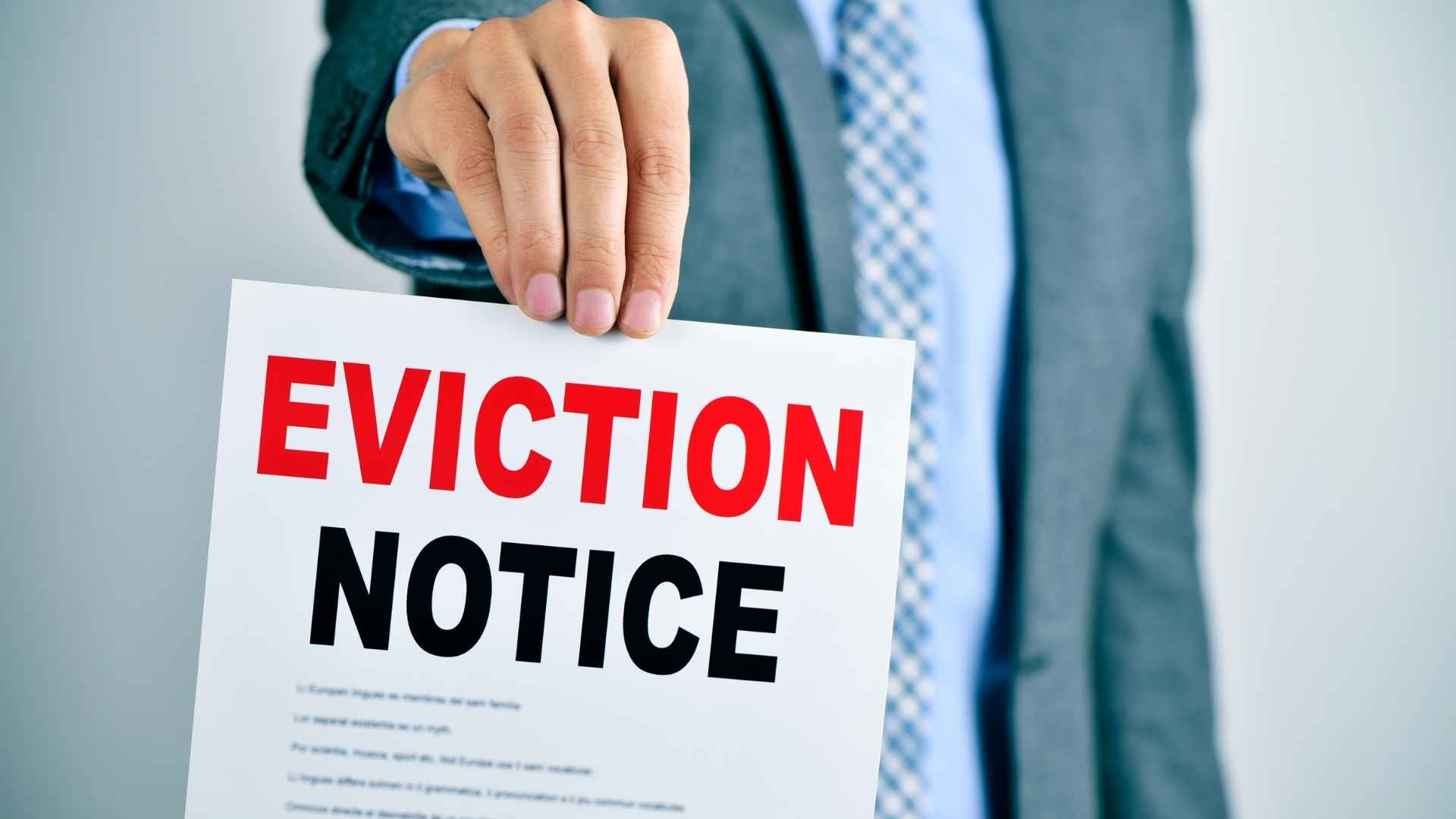
4. Not Evicting a Tenant According to the Law

The California landlord-tenant law is clear on this matter. The only way to evict a tenant from your rental property is through a court order. 

person holding up and eviction notice with the word eviction in red

You cannot try to evict a tenant in any other way, such as trying to remove them by:

  • Shutting down their utilities 
  • Locking them out 
  • Removing their personal belongings from the unit 

To start eviction proceedings against a tenant, you must first and foremost have a valid reason such as nonpayment of rent or violation of the terms of the lease agreement. Next, you must serve them a proper eviction notice. Depending on how they answer the eviction notice, you can choose either to continue or stop further eviction actions. 

5. Not Screening Prospective Tenants 

As a landlord, your ultimate goal is to see a steady return on your investment. But, you are only going to achieve this if you’re able to get the right tenant. The following are the qualities of a great tenant: 

  • Pays rent on time
  • Cares for the unit
  • Notifies you when maintenance issues occur 
  • Honor all terms of the lease agreement

To land such a tenant, you need to have all prospective tenants undergo a meticulous tenant screening process. Among other things, do credit and background checks to ascertain whether a tenant is going to be reliable. 

6. Not Responding to Maintenance Issues on Time

As previously mentioned, you are responsible for providing your tenant with a habitable rental property. In California, the following are a couple of things that make a property habitable:

  • Running cold and hot water 
  • A working HVAC system 
  • Properly operating windows and doors 
  • Adequate garbage receptacles
  • Proper stairs and railings 
  • Fire exits, alarms, and smoke detectors

maintenance working in plaid shirt using electric drill on a window frame

You must also respond to maintenance requests from your tenant within a “reasonable” amount of time. Failure to do so gives your tenant the option to withhold rent payments or make the repairs themselves and then deduct the cost from future rent payments. 

7. Not Providing Your Tenant with the Required Disclosures 

Landlords are required by both federal and state law to provide their tenants with certain disclosures prior to them moving into the property. In California, the following are just some of the disclosures you’re obligated to provide a tenant:

  • Disclosure on the use of lead-based paint. This is required of landlords who rent out properties built prior to 1978
  • Disclosure on bed bugs. Be sure to follow the specific language as specified under state law as well
  • Documentation about any known mold
  • Disclosure of knowledge of asbestos 
  • Disclosure of how utility fees are going to be applied and how they will be divided up
  • Failure to provide these disclosures could result in financial and/or legal repercussions. 

Bottom Line

Becoming a successful landlord is based on skill, experience, market knowledge, and hard work. If you find it daunting, the team at Home Choice Property Management can help. We help property owners in Southern California take care of their investments in a worry-free way thanks to our ten years of experience and quality rental management services. Get in touch to get started today!  

Pricing Your Anaheim Home to Rent

Are you bringing your property to the rental market for the first time? Or, are you struggling to fill a vacancy? If so, you’d need to determine the correct rental price to charge. 

The rental price can make or break your efforts of renting out your Anaheim property. Your goal should be to find the perfect balance by not underpricing or overpricing it. The right price keeps your property profitable and competitive in the rental market it’s in. 

In today’s blog, we’ll walk you through 6 tips on how to price your Anaheim home to rent. 

1. Examine the Comparable Properties 

Look at the competition. What are they charging for comparable rentals? When looking at comparable units, zero in on rentals that look as similar to yours as possible. The following are some things to keep in mind as you go about the process:

  • Look at units that share the same location as your rental property. Different sections of a town will come with different price ranges especially if they’re in more desirable than others. 
  • Look for properties that are the same size with the same number of bedrooms and bathrooms.
  • Look for similar rental types. If your property is a single-family home, then look for other single-family homes. Also, if your property is new construction, then compare it with other newly constructed properties. 

But where should you be looking for comparable properties exactly? This can be pretty daunting when you’re just starting out as a landlord. 

two home figurines with a question mark between them to symbolize a comparison 

You can look for “comparables” in a variety of ways. One simple way is to go online on sites like Trulia, Zillow, or HotPads. The good thing about these sites is that they have filters, which you can use to narrow down to what you’re looking for. 

Another way to look for comparables is in-person. Interview various landlords and find out how much they are charging for similar units. You may also want to use that opportunity to find out whether there is good demand for the property. Lastly, you could seek a professional opinion from a property manager. Their help could go a long way in ensuring you price your property correctly. 

2. Make Adjustments Based on the Amenities

Amenities play a huge role when it comes to pricing a rental property. A home with desirable amenities will rent for more than one without. You should factor in the following things when setting the rental price:

  • Updates – A unit with recent updates will rent for more. Updates may include a renovated kitchen, hardwood floors, repainted walls, or updated appliances. 
  • View – A property overlooking a beautiful garden or having skyline views will be more desirable than one overlooking a parking lot. 

real estate agent show to people an unfurnished property with a view of the city

  • Size – A bigger home will be more desirable, and expensive than a smaller one. 
  • Furnishings – If the space comes partially or full-furnished it could garner higher rent prices in certain markets.
  • Floor level – Higher floors in multi-unit rentals are usually more desirable than on lower floors. A walk-up is an exception, though. After the 3rd floor, the higher floors become less desirable due to the hassle of going up and down. 

3. Do the Math

The goal of investing in real estate is to make money. As such, determine whether the rent you wish to charge is going to lead to profits. At the minimum, the right rent should be able to cover all of your expenses. Examples of expenses you should expect to incur when renting out your Anaheim rental property include:

  • Mortgage payments (if any)
  • Maintenance and repair expenses
  • Advertising costs
  • Property taxes
  • HOA fees (if any)
  • Closing costs
  • Vacancy costs
  • Accounting fees
  • Property management fees
  • Utilities
  • Property improvement 

You can calculate return on investment (ROI) using any of the following metrics:

  • Cash flow – You’ll need to subtract expenses from the gross rental income. 
  • Cash on cash return – This is the annual cash flow divided by the invested equity. 
  • Net operating income – This is similar to cash on cash return only that it doesn’t factor in mortgage expenses.
  • Cap rate – You’ll need to multiply the Net Operating Income by 12 and then divide the outcome by the purchase price. 

According to experts, a good return on investment is at least 7%. 

4. Evaluate the Market Demand

Ask yourself – is there enough market demand for the kind of property I intend to rent out? 

three property experts looking over figures relating to the real estate market

A good indicator of market demand is inquiries from prospective tenants. After marketing the property, are prospective tenants calling to schedule a property viewing? If not, it could be for several reasons. 

One, it could be that you have overpriced the property. If you set your rent too high, prospective tenants will stay away. Two, your marketing strategy may not be extensive enough. Or three, it’s possible that there is little demand for rentals in the area your property is located. 

5. Re-adjust the Rental Price to Fit the Market Demand

Pricing your rental property isn’t a one-time event. To remain competitive, you must constantly reevaluate it to meet the market demand. When the economy isn’t performing well, for instance, prices might go down based on people spending ability. However, when the economy is performing well, pricing can increase.

6. Hire a Property Management Company

If you’re just starting out, hiring a property management company may be the best decision you could make. Besides helping you price your Anaheim rental property, they could help you manage the day-to-day operations as well. A property manager can help with marketing the property, collecting rent, maintaining the rental, screening tenants, and more. 

Bottom Line

The right rental price leads to profits. But there is a science behind how you determine it. For expert help, please get in touch with Home Choice Property Management. With over 10 years in the business, we can help you maximize the return on investment of your Anaheim rental property. Contact us today to learn more!

normal wear and tear

What Exactly is “Normal Wear and Tear”?

The furnishings you’ve purchased when your property is new are bound to deteriorate over the years. “Normal wear and tear” or “reasonable wear and tear” are terms used to describe rentals that have depreciated when a renter is occupying your rental space. This damage does not occur out of a renter’s abuse or neglect.

Landlords must be aware that damage stems from “normal wear and tear” which is their responsibility to address. If a renter caused property damage, then a landlord can deduct the repair cost from the tenant’s security deposit. It’s important to keep receipts for the repairs as proof as this can reduce conflicts when returning the deposit after the tenancy.

It can be confusing initially to determine if the damage was caused by wear and tear or neglect or abuse. Differentiating between the two is essential for a landlord to learn. If you would like to learn how to identify issues of normal deterioration versus neglect, keep on reading!

Wear and Tear in Comparison to Other Damages

Although “wear and tear” are defined in varying degrees by different states, in general, it points to the expected decline of the property over time due to its continual use. This covers the furniture and fixtures inside the property as well. 

rental home with dark wood floors and cabinets, with faded paint on walls

When one lives on a property, some areas begin to deteriorate as a result of everyday and ordinary use. Take, for example, flooring that appears new during the first year of construction. It won’t have the same spotless look in a few years. Given that renters continually walk on these floors, you can’t expect it to be scratch-free. It will also begin to look dull if it’s not well-maintained.

This decline is a normal outcome and happens from regular occupancy by the renters. You must also accept that the longer you have tenants living in your property, the more wear and tear it’ll be facing. 

Now when we talk about unexpected property damage, it can be a world different from wear and tear. You can see that it destroys the functionality of an object and decreases the value of the rental. It has an effect on the rental’s usefulness and stems from abuse and neglect. In other words, it goes beyond ordinary living in the unit. 

For instance, it’s unacceptable to find a huge hole in your rental’s wall. It may be a result of an accident but this does not occur normally in the course of a tenancy. It could also be done on purpose by a renter or caused by neglect.

living room with broken lamps and tv and books fell off the shelf

Ultimately, if the damage was caused by the renter then it’s appropriate to use the security deposit. If it resulted from normal wear and tear, then the landlord must pay for it.

Defining Wear and Tear

Since renters are occupying your unit, you can expect there to be a small amount of deterioration. The value of the items around the rental can also decline. Examples of normal wear and tear are:

  • Faded or cracked paint on your walls
  • Dull floors
  • Sticky doors and windows 
  • Minimal carpet stains
  • Worn enamel from sinks or old toilets
  • Loose grouting on the tiles

Defining Unexpected Damage

When we talk about unexpected damage, this refers to deterioration that one can avoid. It didn’t occur from normal everyday use of the property or the typical use of an item. It can result from an accident or neglect. The action leading to the damage can also be intentional.

Examples of unexpected damage include:

  • Unapproved wallpaper or paint colors in the unit
  • Stains or burns on the carpet
  • Chipped flooring 
  • A door off its hinges
  • Large scratches on the windows
  • Chipped enamel on sinks or the bathtub 
  • Clogged toilets

Often, renters are blamed for property damages. However, this isn’t always the case since some damages occur out of the landlords’ neglect of performing their maintenance responsibilities. For example, a renter may have reported a leak but it was ignored until heavy rains came and flooded the unit. The water damage could have been prevented in this situation.

plumber in blue hat and shirt tightening bolt connecting two pipes

Here are some other examples of unexpected damage due to landlord neglect:

  • Flooding that resulted from having unmaintained pipes
  • Repairs that should have been performed but were postponed 
  • Structural damage that must be fixed such as sloping floors

Issues that come from these damages could have been prevented if the landlord addressed the initial situation. Landlords are mandated to keep their rental properties habitable under state law. The rental property must be free from health and safety hazards and abide by building codes. It should also be maintained properly.

Using Security Deposits for Repairs

Landlords can ask for a security deposit from a tenant but it can’t be used at random. If you’re going to use the deposit, you must prove that the tenant was at fault for the damage.

A lot of conflicts can occur between tenants and landlords in this event. The definition of what constitutes damage may be disputed by both. It can even result in a legal battle. To avoid disagreements and keep the situation from escalating, a landlord can make use of a few of the following methods:

Documenting Property Damage Through Photos

A landlord can conduct a move-out and move-in inspection. Doing a property walkthrough allows you to explain what wear and tear and unexpected damages look like to the tenants. If you clearly define and agree on its definition then disputes will be minimal later on.

property inspector with clipboard checking structural integrity of wall

You can also record the present condition with photos to show the renter later if there are damages. It will make it easy to compare the before and after state of the property. Existing damage will also be captured in the photos, making it easier to assign repair costs.

Conducting Tenant Screening To Prevent Property Damage 

Landlords can also intensify their tenant screening procedure to ensure that only responsible tenants with no history of property damage will be welcomed in their rental units.

Bottom Line

Knowing that wear and tear is versus property damage will help you keep your rental in good condition and reduce conflicts with tenants. That said, maintaining a rental property can be a lot of work so it’s best to hire a property manager. 

Contact the experts at Home Choice Property Management today. We can help keep your renters happy while maximizing your ROI!

rental property renovations

5 Best Renovations for Your Rental Property

Given that long-term renters are attracted to rental homes that can provide the best value, landlords do their best to deliver updates through property renovations. Improving your rental can lead to higher and more consistent income since it’s easy to remain competitive with frequent rental upgrades. 

A vital tip that landlords should remember is to refrain from over-investing. The tenants’ needs are vastly different from homeowners. It’s best to look at what they prioritize instead of incorporating your own aesthetic. Doing so will save you time and money.

It’s always best to analyze property renovation projects from the lens of a tenant. What kind of amenities would they appreciate? What needs do they prioritize? List the top amenities that tenants want and plan the property upgrades from there. This results in more interest from prospects and eventually, an increase in your rental’s value and income.

Renovated properties also increase’s property value and reduce’s tenant maintenance requests. This encourages your renters to renew the lease which leads to steady investment returns. Here are specific areas to improve in your rental that captures a renter’s interest:

Make Kitchen Improvements

Kitchens are highly functional areas so the way it looks is important. Be more aware of the appliances’ finishes and try to match them to create a coordinated appearance. Tenants are impressed with stainless steel and energy-efficient appliances so if you have the budget, you can purchase existing mismatched ones.

kitchen with white cupboards, dark wood island and 3 stools

Other kitchen renovations include:

  • Cabinets – To create a fresh look, you can apply a new coat of paint or varnish and replace the hardware with stylish ones to make it more modern
  • Countertops – Invest in a granite countertop to enhance the look of your unit. if that’s too pricey, you can go for other countertop materials such as quartz, marble, and limestone. The better the quality of the material, the longer it lasts and the easier it is to maintain.
  • Modern fixtures – Simple kitchen furnishing can also enhance its appearance. There are plenty of stylish faucets and backsplashes that can be installed at a reasonable rate.

Remodel the Bathrooms

Prospective tenants are also curious about how your bathrooms look so they tend to inspect it first. Enhance its visuals by replacing toilet seats, and adding a new shower head and faucets. Use designs that make the space look bigger like adding a sliding barn door and adding more storage areas to store essential bathroom items.

Other bathroom renovation tips:

  • Choose walk-in showers rather than bathtubs as it take up less space 
  • Add more bathroom shelves or hooks for additional storage
  • Add a vanity counter

If possible, go for a 1:1 bedroom and bathroom ratio to provide more convenience to renters, especially if they’re likely to have future guests or visiting families.

Focus on Curb Appeal

No matter how attractive your interiors look, people are bound to make judgments on the exterior appearance of your rental property. Capture the immediate interest of tenants by performing landscaping. 

person in white glovers fixing a lawn mower

Ensure that the maintenance is kept simple so the renters remain consistent on the upkeep of the yard. Other tips to keep your curb appeal attractive:

  • Start a small garden
  • Go for attractive but low-maintenance plants 
  • Plant new grass
  • Repaint your property’s exteriors
  • Hire someone to cut overgrown tree branches and trim shrubs

Upgrade Your Flooring

Flooring is another element that renters check out. A lot of properties have tile flooring or cover the floors with carpets. However, a classic favorite is hardwood flooring for many reasons. Hardwood flooring is popular because it’s:

  • Elegant – Hardwood flooring is rated popularly and in demand since it appears welcoming and valuable. 
  • Easy to clean and maintain – Hardwood flooring is low-maintenance in comparison to carpets where dust and stains can quickly accumulate. Cleaning hardwood floors is easy.
  • Warm – Hardwood flooring gives out a cozy vibe that lends more natural comfort to the environment. Additionally, it can easily blend in its surroundings allowing it to match with more people’s personal design preferences.
  • Long-lasting and cost-effective – Initially, the price of hardwood flooring can make a property owner hesitant but when you think long-term and analyze its durability then it’s a wise investment.
  • Unfading color – Hardwood flooring provides a consistent natural appearance. Compared to carpets that can quickly look worn out and faded, hardwood flooring does not succumb to wear and tear quickly.

Invest in Small Upgrades

When talking about renovations, you don’t have to equate it with spending tons of cash. Starting small is great too. Even minor yet thoughtful improvements can create attractive changes.

person in overalls using paint roller and ladder

Here are quick improvement tips to consider:

  • New paint  Paint your rental with neutral hues. You can also permit renters to choose the colors for an accent wall but include guidelines in the lease agreement to be safe.
  • Modern light fixtures – A property upgrade that’s low cost is picking great light fixtures that are stylish and modern as they can really elevate a space’s overall appearance.  
  • Closets and shelves – Properties with several storage spaces are preferred and ranked high on a tenant’s list of desired amenities.  
  • Door handles – Change your doorknobs and choose a model that offers more security while also being stylish. 
  • Blinds and curtainsHanging curtains makes the home more comfortable. It limits the light from the outdoors and creates more privacy for the inhabitants. Depending on the length of the curtain, you can also make the windows or room, look grander.

Bottom Line

At first, a landlord may not want to perform renovations to save money. But renovating your rental means investing in the future. Your current tenants are far more likely to stay longer when they see the various improvements you’ve done.

If you would like help managing your rentals contact the experts at Home Choice Property Management today! Our team can market units, screen tenants, address maintenance requests and so much more.