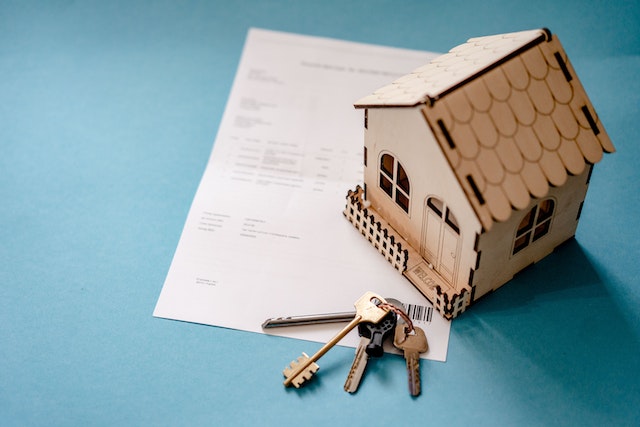
Why Pet Screening is Always a Good Idea?

Why Pet Screening is Always a Good Idea?

The number of individuals and households owning pets in the United States is on the rise. And with it comes a higher demand for pet-friendly rental properties. Choosing to make your rental property pet-friendly could increase the profitability of your investment in real estate. 

But reservations that you might have about the idea are also understandable. You might have heard stories from other landlords about the possibility of damage, bad odors, and loud noises at weird hours of the night. 

So how can you protect our property and also your other tenants living on the property? The solution lies in having a full-proof pet screening solution! In this article, the team from Home Choice Property Management will advise you on the process. 

Why Should You Make Your Property Pet-friendly?

The following are the benefits that come with accepting pets in your rentals:

More Long-term Tenants

By choosing to make your property pet-friendly, you are standing out in the rental market. Once a pet owner has secured the lease and their pet is at ease, they are most likely to renew the lease agreement at its expiry. This is because they know that it would be difficult to secure another pet-friendly space in the area. What’s more, moving frequently can be distressing to their pet. 

person in a white shirt holding an orange and white cat

Higher Market Value

Because of the unique policies that your property offers i.e. being pet-friendly, you can choose to rent your space slightly higher than the market value. This can improve the overall value of your property and allows you to increase your ROI. 

Responsible and Quality Tenants

Having a pet is serious work and a significant financial undertaking. You must cater to its well-being and ensure that it doesn’t disturb the neighbors. With such dedication, you can expect your new tenants to show similar responsibility in caring for your home. 

Pet Screening: What Is It?

A pet screening is similar to tenant screening. It’s where a property owner checks on the suitability of a pet’s health, personality, and behavior. Pet screening allows a property owner to decide whether the pet is ideal for the property. The property owner will ask for information about the animal from the pet owner through the use of a questionnaire, meeting the pet in person, and health documentation. 

The Process

To access the suitability of the pet, a landlord can choose to either conduct the screening themselves or higher a third-party. Regardless of the choice, here is the process that you can follow for a pet screening: 

someone filling out a questionnaire on a clipboard 

Use a Questionnaire 

Filled out by the pet owner, a questionnaire is a good way of getting comprehensive information on the type of pet you are dealing with. It offers you a background on its personality and behavior. Here are some of the questions that you can use in your questionnaire: 

  • Which type of pet do you have? 
  • What is the age and weight of the pet?
  • What breed is the pet? 
  • Has the pet been vaccinated? Do you have documentation on which ones they’ve received?
  • Can you offer documentation from a veterinarian that proves that your pet is in good health?
  • Does your pet have a history of violence?
  • Is your pet well-trained? 
  • Has your pet expressed any behavioral issues in the past?

While these are generic questions that might apply regardless of the animal, also consider the type of pet. Customize your pet screening questionnaire to ask unique questions that will give you a good feel for the animal. 

In-person Meeting 

A questionnaire might give you a general idea of the animal’s health and behavior but it’s no replacement for an in-person meeting. Meeting the animal face-to-face also allows you to verify the information that the owner put down on the questionnaire. 

Note that pets tend to be nervous around strangers. It would be wise for you to request an in-person meeting together with a licensed professional. They would be able to de-escalate the situation should the need arise. 

dog owner in a green dress petting their dog under its chin

Advantages of Pet Screening 

The main advantage of pet screening is peace of mind. Leasing a property to a pet owner might come with some level of risk. Pet screening allows you to vet the behavior of the animal. You would be able to limit your risks and enjoy the full benefits of leasing to a pet owner. 

As you can put together from the above, pet screening can take a bit of some time. You will need to be thorough as you collect information from the potential tenant. If you are not a full-time landlord, consider hiring a property management company. They would be able to handle the pet screening thoroughly. 

Pet Clauses

As mentioned earlier, most property owners charge a higher rent for their spaces. This is often through the implementation of pet rent or a pet security deposit. This extra rental fee should be commensurate with the risk of leasing your space. 

However, you should also read applicable county ordinances and California laws on pet fees to ensure that you don’t find yourself on the wrong side of the law. 

Bottom Line 

Owning a pet is becoming a norm in the country. Converting your home into a pet-friendly property gives you a competitive edge over your neighbors and also allows you to charge higher rent. Concerned that you might be overwhelmed with pet screening? With over a decade of experience, Home Choice Property Management is the company to rely on. 

Our goal as a leading Anaheim property management company is to reduce our client’s stress. With our proven and trusted strategies, you are guaranteed the best service. Get in touch with us today and learn more about our property management solutions.

Important Factors For Real Estate Investing

Important Factors For Real Estate Investing

Real estate investing is a great way to grow your wealth and achieve financial stability. However, it requires a significant amount of research, analysis, and planning to make informed decisions that yield positive results.

This blog post will explore some of the most important factors for real estate investing, from location and property type to financing options and market trends. Whether you’re a first-time real estate investor or a seasoned pro, understanding these key factors can make all the difference in the success of your investments.

What To Consider While Investing in Real Estate?

As a landlord or a potential real estate investor, there are essential factors that you must consider before investing in real estate. Let’s delve into each of these factors in detail.

Location of Your Property 

The location of your property is a critical factor in real estate investment. It determines the demand, rental rates, and the type of tenants your property will attract. You should look for properties in areas with high demand and rental rates. 

Ideally, invest in a location that is close to amenities such as shopping malls, schools, hospitals, and transport facilities. You should also consider the safety of the neighborhood, the crime rate, and the general condition of the area before investing.

different coloured push pins on a map

Valuation of Your Property

Before investing in any property, you should have it assessed to determine its true value. This will enable you to know how much you should pay for the property and how much rent you can expect to collect. A professional appraisal will also help you to estimate the potential return on investment (ROI).

Purpose of Investment 

Are you investing for rental income or for capital appreciation? Rental income refers to the amount of money you receive from your tenants in the form of rent. Capital appreciation, on the other hand, is the increase in the value of your property over time. Understanding the purpose of your investment will help you to make informed decisions about the type of property to invest in.

Expected Cash Flow and Profit

Expected cash flow and profit are important considerations in real estate investment. You should calculate the expected rental income and expenses such as property taxes, insurance, repairs, and maintenance costs. This will enable you to determine the net operating income (NOI) and the cash flow of your property. The expected profit should also be considered to determine if the investment is worthwhile.

Leverage Rules 

Leverage rules refer to the amount of money you can borrow to invest in real estate. You should consider the terms and conditions of the loans and their interest rates. 

cash, different coloured folders and a calculator on a desk

It’s important to invest in properties that can generate enough income to cover the loan payments and yield a profit. You should also consider the risks involved and have a contingency plan in case of unexpected events.

Type of Property Construction

The type of property construction is another important consideration in real estate investment. You can invest in a new construction property or an existing property. 

New construction properties are usually more expensive but require less maintenance and have modern amenities. Existing properties, on the other hand, are usually cheaper but may require more repairs and maintenance. You should, therefore, consider the condition of the property and its potential for rental income before investing.

Indirect Investments 

Indirect investments refer to real estate investment trusts (REITs), which allow you to invest in real estate without owning physical property. You can invest in a REIT and earn rental income without the hassle of managing the property. This is an excellent option for investors who want to diversify their portfolios and earn passive income.

Credit Score

Your credit score determines your ability to secure a loan and the interest rate you will be charged. You should maintain a good credit score and pay your debts on time to increase your chances of securing a loan and getting favorable terms.

hand dropping coins into a clear piggy bank

Importance of Understanding the Real Estate Market Before Investing 

The real estate market is one of the most crucial factors that you must consider before investing in real estate. Understanding the current state of the market and its trends will enable you to make informed decisions about the type of property to invest in and the expected returns. Here are some aspects of the real estate market that you should consider:

Property Prices

The prices of properties vary depending on the location, type of property, and the overall state of the market. You should research the property prices in the area where you want to invest and compare them with the prices in other areas. This will help you to determine if the property is priced reasonably and if it has the potential for appreciation in value.

Rental Rates

Rental rates also vary depending on the location, type of property, and the overall state of the market. You should research the rates in the areas you want to invest in and compare them with other regions. This helps to determine if the property can generate enough income to cover the expenses and yield a profit.

Market Trends

Market trends refer to the changes in the real estate market over time. You should assess current market trends, such as the supply and demand for properties, interest rates, and economic indicators to anticipate future changes in the market and make informed decisions about your investments.

Bottom Line

Investing in real estate can be a great way to grow your wealth and secure your financial future. However, there are several factors that you must consider before making any investment decisions. 

You must assess the location, valuation, purpose of investment, expected cash flow and profit, leverage rules, the overall real estate market and so much more. It can be overwhelming to manage your investment property alone, so consider hiring a reliable property management company like Home Choice Property Management. 

Contact us today for more information about our services!

How To Convert Your Home Into a Rental Property

How To Convert Your Home Into a Rental Property

If you own a property and are looking to generate some extra income, converting it into a rental property might be the solution you need. Renting out your home can be a smart investment strategy, but it requires careful planning and preparation. 

This blog will provide you with essential steps to convert your home into a rental property. Whether you’re a first-time landlord or an experienced investor, this guide will give you the knowledge and tools you need to turn your home into a successful rental business.

Decide If You Can Handle Being a Landlord

Before you start renting out your property, consider whether you’re ready to become a landlord. You’ll need to be comfortable dealing with tenants, collecting rent, and handling maintenance and repair issues. Some things to consider include:

  • Time Commitment: Being a landlord can be a time-consuming endeavor, especially if you have multiple properties or tenants. You’ll need to be prepared to devote time to showing the property to potential tenants, responding to maintenance requests, and handling any issues that arise.
  • Financial Responsibility: You’ll be responsible for collecting rent and ensuring that your property is well-maintained. You’ll also need to have a plan in place for handling unexpected expenses or emergencies.
  • Legal Knowledge: Landlord-tenant laws vary by state and can be complex. As a landlord, it’s important to understand your rights and responsibilities under the law.

mortgage lender writing notes and percentages on a whiteboard

Get Another Mortgage

If you’re planning on converting your primary residence into a rental property, you’ll need to find out if you can get another mortgage. Lenders have different requirements for investment properties, so it’s important to do your research and find a lender who understands your needs as a landlord. Consider the following:

  • Down Payment: Lenders typically require a larger down payment for investment properties than for primary residences.
  • Credit Score: Your credit score will be an important factor in determining whether you qualify for a mortgage. Lenders typically require a higher credit score for investment properties.
  • Cash Reserves: Lenders may require you to have cash reserves on hand to cover unexpected expenses or vacancies.
  • Rental Income: Lenders may take rental income into account when determining your eligibility for a mortgage.

Change Your Insurance Policy

A landlord policy provides more comprehensive coverage than a standard homeowner’s policy and protects you against risks associated with rental properties, such as liability claims and damage caused by tenants. Here are some things to consider:

  • Liability Coverage: liability coverage protects you if a tenant or guest is injured on your property.
  • Property Damage Coverage: A landlord policy typically includes coverage for damage caused by tenants or their guests.
  • Loss of Rental Income Coverage: A landlord policy may include coverage for lost rental income due to damage to your property or other covered events.
  • Cost: A landlord policy may be more expensive than a standard homeowner’s policy, but it provides more comprehensive coverage.

documents being exchanged between two people across a desk

Have Your Property Inspected

Have the property thoroughly inspected to identify any potential problems or safety issues. An inspection can help you identify areas that need repair or improvement, and ensure that your property is up to code. Here are some things to consider:

  • Hire an Inspector: Hire a professional inspector who is licensed and experienced in inspecting rental properties.
  • Check for Safety Hazards: The inspector should check for safety hazards such as lead paint, mold, and asbestos.
  • Check for Code Violations: The inspector should check for code violations such as improper wiring, plumbing, or ventilation.
  • Identify Necessary Repairs: The inspector should identify any necessary repairs or improvements, such as fixing leaks, replacing old appliances, or updating the heating and cooling system.

Prepare Your Property

Once you’ve identified any necessary repairs or improvements, it’s time to ready your property for renters. Here are some things to consider:

  • Clean and Declutter: A clean, clutter-free home is more attractive to renters.
  • Furnish and Decorate: You want to furnish and decorate the property to make it more attractive to renters. Consider investing in neutral, durable furniture and decor that will appeal to a wide range of renters.
  • Improve Curb Appeal: First impressions are important, so improve your property’s curb appeal. Consider planting flowers or shrubs, power washing the exterior, or repainting the front door.

a notepad, calculator, coins and an envelope for taxes on a table

Learn About Tax Changes

Converting your home into a rental property can have tax implications, so it’s important to understand how yours will be affected. Here are some things to consider:

  • Rental Income: Rental income is taxable and must be reported on your tax return. You may also be able to deduct expenses related to the rental property, such as mortgage interest, property taxes, and maintenance and repair costs.
  • Depreciation: You may be able to take advantage of depreciation, which allows you to deduct a portion of the cost of your rental each year for tax purposes.

Set the Rental Rate

Once your property is ready to rent, it’s time to set the rental rate. Research comparable rental properties in your area to get an idea of what the going rate is for similar properties. Then consider your expenses, such as mortgage payments, property taxes, insurance, and maintenance costs, when setting the rental rate.

You should also note the profit margin you want to achieve and set the rental rate accordingly. Once that is done, you can determine the length of the lease and whether you’ll offer any incentives, such as a lower rate for a longer lease term.

Set the Rules

Finally, it’s important to set the rules for your rental property. This includes establishing lease terms, outlining your expectations for tenants, and setting guidelines for the behavior and use of the property.

Bottom Line

By following these steps, you can ensure that your rental property is ready for tenants and set yourself up for success as a landlord. However, being a landlord can be a lot of work. If you’re feeling overwhelmed. That’s where a property management company like Home Choice Property Management can help. Reach out to us today to learn more!

Should I Rent My House Furnished?

Should I Rent My House Furnished?

If you’re a homeowner who’s been considering renting out your property, you may be wondering whether you should furnish it or not. It’s a common dilemma that many landlords face, and there’s no right or wrong answer.

In this post, we’ll explore the pros and cons of renting your house furnished, and hopefully, help you make an informed decision.

What to Include in a Furnished Rental

A furnished property is a type of rental where the landlord provides most, if not all, of the furniture for the unit. However, the definition of “furnished” can vary, and it’s up to the landlord to decide what to include. 

Typically, furnished apartments should have large kitchen appliances, small appliances, cookware, flatware, and dishware, as well as bedroom furniture and a sofa, coffee table, end table, and television in the living room. 

Some landlords may also choose to include additional items like artwork, stereo systems, and alarm clocks. Ultimately, the decision on what to include in a furnished apartment is up to the landlord, but it’s important to keep in mind what potential renters may be looking for in terms of convenience and amenities.

General Considerations 

Before you make a decision about renting out a furnished unit, it’s essential to consider a few factors:

landlord showing two tenants a contract while sitting in their office

Type of Tenants

If you’re renting to short-term tenants such as vacationers, students, or contract workers then a furnished house may be a better option as they’ll appreciate the convenience of not having to bring their own furniture. 

On the other hand, long-term tenants may prefer an unfurnished house as they already have their own furniture and prefer to personalize their living space.

Rental Market

Another factor to consider is the rental market in your area. If there’s high demand for furnished rentals, you may be able to charge a higher rent and attract more tenants. However, keep in mind that furnishing your house can be expensive and may not always result in a higher return on investment.

Level of Maintenance

It’s also essential to think about the level of maintenance required for a furnished rental. You’ll need to take extra care of the furniture and may have to replace items more frequently due to wear and tear.

Pros of Furnished Units for Landlords

Let’s take a look at the various advantages of offering a furnished apartment for rent:

Higher Rental Income

One of the most significant advantages of offering a furnished unit is that you can charge a higher rent. Furnished apartments provide convenience and save tenants the cost of buying furniture, so they are willing to pay more for that convenience.

person counting money while sitting at their desk with a notebook in front of them

Attracting a Wider Range of Tenants

Furnished apartments tend to appeal to a variety of renters, including students, people on temporary work contracts, and tourists who are looking for a place to stay short-term. By offering a furnished unit, you can attract a wider range of potential tenants and increase the demand for your property.

Reduced Moving Costs and Damages

Moving heavy furniture can cause damage to floors, walls, and doors. By offering a furnished unit, tenants don’t have to worry about moving their own furniture or risk causing damage to their property. As a result, you can save on maintenance and repair costs and they can save on moving costs.

Better Marketing

Furnished properties make marketing easier since they tend to look more attractive in photos and videos. This can help your property listing stand out from the competition and attract more tenants.

Cons of Furnished Units for Landlords

While offering a furnished unit for rent has its advantages, there are also several disadvantages that landlords should be aware of before making a decision:

Higher Upfront Costs

One of the biggest disadvantages of offering a furnished unit is the upfront cost. Furnishing a unit can be expensive, and it may take some time to recoup those costs through higher rent. Additionally, there is always the risk of damage to the furniture or appliances, which can add to the cost of upkeep.

person using spackle to fix a small hole in the wall

More Maintenance

Maintaining a furnished unit can also be more time-consuming and expensive. Landlords may need to spend more time cleaning and repairing the furniture and appliances and may need to replace items more frequently due to wear and tear.

Tenant Turnover

While offering a furnished unit can be a way to target a specific market, it can also limit and result in more tenant turnover. Many tenants attracted to furnished units are looking to stay short-term so you’ll like to see more tenant turnover. 

Higher Insurance Costs

Furnished units may also require higher insurance costs, as there is more property at risk in the event of damage or theft. This can add to the overall cost of renting out a furnished unit.

More Restrictions

Offering a furnished unit can come with more restrictions on the lease agreement. Landlords may need to include specific clauses about the use and upkeep of the furniture and appliances and may need to restrict certain activities that could lead to damage. This can make the lease agreement more complex leading to more disagreements with tenants over the terms of the lease.

Bottom Line

Renting out a furnished house can be a great way to attract tenants and make your property stand out from the competition. However, it’s important to carefully consider the advantages and disadvantages before making a final decision. Ultimately, the decision to rent your house furnished or unfurnished depends on your personal goals and preferences as a landlord.

Regardless of what you decide, it’s best to work with a reputable property management company like Home Choice Property Management. With our expertise, you can be sure that your property will be well-maintained, advertised effectively, and attract the right tenants. Don’t hesitate to contact us to learn more about their services and how they can help you maximize your rental income!

How to Write a Good Property Listing

How to Write a Good Property Listing

Are you struggling to get potential tenants interested in your rental property? Your property listing may be the key to attracting the right renters. Writing a good property listing is essential to stand out in a crowded rental market and ensure you get quality tenants.

A well-crafted listing can help highlight your property’s unique features and showcase its potential. It can also communicate your expectations clearly and reduce the likelihood of misunderstandings down the line.

In this blog post, we at Home Choice Property Management will provide some useful tips on how to write an attractive and effective property listing that will catch the eye of potential tenants. Whether you’re a seasoned landlord or a first-time property owner, this guide will help you create a compelling listing that makes your property stand out from the competition.

So, if you’re ready to learn how to write a good property listing that will attract quality tenants, read on!

Engage Readers with Your Opening Statement

Your opening statement is the first thing a prospective tenant will read when viewing your property listing. Use this space to grab their attention and convey vital information. 

Consider highlighting the location or unique features of the home, and use descriptive language to make the property come to life. For example, you could start with something like “Welcome to your dream home in the heart of Roseville, where luxury and comfort meet.”

two tenants looking at online rental listings on their computer and smiling

Hook Them with a Catchy Headline

The headline of your property listing is what will entice prospective tenants to click on your listing and learn more about your property. Typically you want to include information about the number of bedrooms, bathrooms, location, square footage, and one unique feature in the headline. This will help prospects quickly determine if the property will meet their baseline criteria. 

A good headline should be concise and descriptive, while also being attention-grabbing.

Choose Words Wisely in Property Descriptions

When writing your property description, choose your words carefully to paint a picture of what living in the property would be like. Use descriptive language to highlight the best features of the property, and be sure to emphasize any recent updates or renovations. Avoid using generic phrases like “nice” or “cozy,” and instead opt for more specific descriptors like “spacious” or “modern.”

Spotlight Unique Features Strategically

If your property has any unique features, such as a pool or a newly renovated kitchen, be sure to highlight these in your listing. Include photos or videos to showcase these features and make your property stand out. 

Spark Interest with Promotions

Promotions can be an effective way to spark interest in your property listing. For instance, you can offer a move-in discount for tenants who sign a long-term lease. 

a couple of tenant taking a tour of a rental property with a property managers in the background

You can also offer free Wi-Fi or utilities to make your property stand out. By offering promotions, you can attract more potential renters and increase the likelihood of them signing the lease. Be sure to apply all promotions fairly, equally, and in accordance with the Fair Housing Laws.

Provide a Detailed Yet Succinct Description

Your property description should provide enough detail to give the reader a clear understanding of what the property has to offer. 

Be specific about the number of bedrooms, bathrooms, and any other amenities such as parking, laundry facilities, or outdoor space. You also want to include details about rental policies like whether or not you accept pets or subletting. Note that while you want to be detailed, it’s also important to keep the description concise and to the point.

Avoid Negative Language

When writing a property listing, it’s crucial to avoid negative language as it can create a bad first impression. Instead, focus on highlighting the positive aspects of your property. For instance, instead of saying “no loud music or parties allowed,” you can say “the property is located in a neighborhood where a tenant’s peaceful enjoyment of their space is prioritized.” This way, you can convey the same message while maintaining a positive tone and attracting potential renters.

a rental listing on a computer screen

Encourage Prospective Renters to Get in Touch

Encourage prospective renters to get in touch with you if they have any questions or are interested in scheduling a viewing. Provide clear contact information, such as your email address and phone number, and respond promptly to any inquiries you receive. 

Doing so shows that you’re a responsive landlord who cares about your tenants’ needs and attracts potential renters who value good communication.

Review for Errors

It’s essential to check your property listing for errors before posting it online. Grammatical errors or spelling mistakes can result in a negative first impression on potential renters and make you appear unprofessional. 

Take some time to proofread your listing and ensure that it’s error-free. You can also ask a friend or family member to review it for you to catch any errors that you may have missed.

Conclusion

Writing a good property listing is crucial for attracting potential renters and ensuring a successful rental experience. By following the tips mentioned above, you can create a listing that effectively showcases your property’s best features and entices prospective tenants to get in touch with you.

However, managing a rental property can be a time-consuming task that requires a lot of effort and expertise. If you’re looking for a hassle-free way to manage your property and ensure a consistent rental income, consider hiring a professional property management company like Home Choice Property Management.

With years of experience in the industry, we can take care of everything from tenant screening and rent collection, to property maintenance and financial reporting, allowing you to enjoy a stress-free rental experience. Contact Home Choice Property Management today and take the first step toward a successful rental experience!

What to do if the Deposit Doesn’t Cover Unpaid Rent

Landlords are allowed to collect security deposits from tenants. The maximum amount of security deposit you can charge depends on where you are located. In California, you can charge up to a maximum limit equivalent to two months’ rent. 

Security deposits are often used to cover damages that are not part of normal wear and tear. Sometimes, they are also used to cover unpaid rent and other charges that tenants failed to pay. Under California law, landlords are allowed to deduct the following costs:

  • Unpaid rent
  • Cleaning costs to bring the property back to its original condition at the beginning of the tenancy
  • Damage that is beyond normal wear and tear
  • Restorations indicated in the lease agreement

In California, there is no limit on how much you are allowed to charge a tenant for the damages. However, the cost must be reasonable and commensurate to the extent of the damage. 

In some cases, however, the cost of unpaid rent and damages exceeds the amount of the security deposit. If this happens, you are entitled to collect the remaining balance from the tenant. There are a few things that you can do to handle this kind of situation, such as:

1. Communicate With the Tenant

In California, you are required to return the security deposit within 21 days from the time the tenant moved out. Should you decide to withhold the security deposit from the tenant, you need to send a letter stating how much you need to deduct from it. 

landlord in a pink suit showing two tenants something on an iPad

You also need to provide an itemized list of deductions for damages, cleaning fees, and unpaid charges. If the total amount of charges is larger than the security deposit and the tenant owes you money, you need to indicate this in your letter as well. Include how much the tenant owes and for what particular charges. You may also need to send a demand letter to collect the remaining balance.

2. Send a Demand Letter

In some cases, the total costs of damages, end-of-tenancy cleaning fees, and unpaid rent exceed the amount of the security deposit. If you encounter this situation, make sure to send a demand letter to the tenants indicating that they still owe you money. Be sure to include the full list of itemized charges, such as the cost and nature of damages, unpaid rent, cleaning fees, and other restoration costs.

Don’t forget to state the total amount of the remaining balance owed and the date that it should be paid. Be specific when stating the due date to avoid any confusion. Also, provide payment methods to your tenants and include your contact information in case they need to communicate with you to make arrangements for the payment.

3. Consider Filing a Case in the Small Claims Court

If the tenant refuses to pay what they owe and your demand letter is ignored, it’s time to consider filing a case against them in the small claims court. In California, the small claims court will hear rent-related complaints involving monetary amounts of up to $10,000.

judges gavel on top of a contract

Before proceeding with filing a complaint, make sure to consider the amount of money involved and decide whether or not it is a wise idea to go through the legal process of filing a case. While filing a case in the small claims court can seem like the best option to consider, it also has its drawbacks. Keep in mind that:

  • The legal process can be time-consuming: If you decide to go to a small claims court, you have to prepare all the documents and evidence that can help you with your case. You also have to understand the process and attend hearings. What’s more, there is a filing fee that you need to pay regardless if you win the case or not.
  • The tenant can file a countersuit: Even if you have done everything right, there’s still a possibility that your tenant will file a countersuit against you. This can make the process even longer and more stressful.
  • Your tenant may not have funds to pay: Even if you win the case in the small claims court, there is a possibility that the tenant may not have enough funds to pay you. In this case, you still need to wait until the funds are available so you can collect what the tenant owes you.

contractor holding a wrench and wearing a utility belt

4. Conduct Regular Inspection

To avoid costly damages, conducting regular inspections is a must. Doing this can help you determine the state of the property and identify the damages that are not part of normal wear and tear. By discovering these damages, you can require the tenants to have them fixed right away. 

During inspections, check for stains, damages on the furniture and appliances, odors, and damages on other parts of the property. The earlier you discover damages, the less costly it would be to fix them.

5. Perform Walkthrough Inspections

Before the end of the lease, it’s best to conduct a walkthrough inspection to check the condition of the property. This must be done before the tenants move out. You can take note of the possible damages so that you can give tenants a chance to get them fixed before they move out. You can also give them an initial estimate for the repairs so they will have an idea of how much they need to spend in case the cost is higher than the security deposit.

6. Work With a Property Manager

Working with a professional property manager can help avoid this problem altogether. A property manager can ensure that the rental remains in its best condition and that tenants are up-to-date with their rent payments throughout the tenancy. Any property damage and late payments are addressed as soon as possible before they blow out of proportion. 

Bottom Line

There are several options available to landlords in the event that the security deposit doesn’t cover the cost of unpaid rent. If you’d like help managing your rentals contact Home Choice Property Management today!

first-time landlords

Essential Tips For First-Time Landlords

Investing in real estate is one of the best ways to grow your wealth, and one of the most lucrative investment strategies is investing in rental properties. However, while owning a rental property is a great way to earn extra income, being a landlord comes with its challenges.

The stress of being a landlord can be overwhelming if you have never owned a rental property before. Being a DIY landlord involves many responsibilities. As a new landlord, it’s important to create useful habits that can help you with your venture. 

The tips included in this blog can help you with your rental property business, as well as build habits that can make you a successful landlord.

Set a Budget for Renovation and Stick to It

Before you rent out your property, you must ensure it’s ready for occupancy. Often, you will need to renovate or improve the property so you can compete in the market. Home renovations and improvements are necessary if you want to increase the value of your investment asset and attract quality tenants.

However, many new property owners make the mistake of over-investing in their renovations. To meet your financial goals, it’s crucial to set a budget for renovations and stick to it. Only renovate what is needed, and make improvements that can add value to your property.

three people looking over different graphs and stats

An example of a renovation to consider is changing your carpeted floors into hardwood. Hardwood flooring is easier to clean and maintain. It’s also durable and won’t get stained or damaged easily. Investing in hardwood floors can be a big selling point, and you can justify a higher rental rate too.

Know the Landlord-Tenant Law in Your Area

You have to understand that there are legal rules involved with operating a rental business. Here are a few things that you should find out:

  • Security deposit: Find out what is the maximum limit of security deposit you can charge is. Also, learn the allowable deductions and when you should return the security deposit after the tenant moves out.
  • Lease termination: In some cases, tenants may be allowed to terminate the lease before the term ends without penalty. Find out the permitted reasons for early termination.
  • Landlord responsibilities: Landlords are expected to provide a habitable dwelling place. To do this, landlords should address repairs within a reasonable timeframe and keep up with routine inspections.
  • Eviction: Landlords have the right to evict tenants who violate the terms of the lease agreement. Find out the legal grounds for eviction and the right procedure for this.
  • Fair Housing Act: This law prohibits landlords from discriminating against tenants on the basis of color, race, nationality, sex, religion, family status, and disability. Learn whether your local jurisdiction has additional protections for classes not mentioned.

judges gavel and legal balance on a desk

Get Your Property Insured

Your rental property is not just your business—it’s your investment. You have to protect it by getting the right insurance. Aside from a regular homeowners insurance policy, you also need a landlord’s insurance to protect against damages, lost rental income, and liability. It’s also best to advise tenants to get renter’s insurance so their personal belongings are also protected.

Screen Tenants Thoroughly

Tenants are your customers, and they will be the major source of your income. That being said, you should not say yes to the first person who wants to rent your property. If you end up with a bad tenant, you’ll not only experience a high amount of stress but possibly monetary losses too.

Screening tenants properly before allowing them to sign a lease is crucial if you don’t want to deal with problematic renters. Check their past tenancies, as well as their financial capabilities, general background, and credit history.

Take Before and After Photos

Before you let a tenant move in, make sure to take photos of your rental property with detailed descriptions of its condition. Give a copy to your tenants so they can have a reference when maintaining and cleaning the property. 

cannon camera on top of a laptop

At the end of tenancy, take photos of how the property. Any damage that is not part of normal wear and tear should be covered by the tenant’s security deposit. Having photos can help you with any complaints from tenants who refuse to pay for the damages they may have caused.

Prepare for Vacancies

You will experience vacancies from time to time. That is a normal part of owning a rental unit. When your rental is vacant, you won’t generate cash flows that can help you pay for your expenses. Make sure to prepare for vacancies and have available cash to cover the mortgage and other expenses that you need to pay, including insurance and taxes. 

You also want to establish a solid marketing plan to reduce vacancy periods and spread the word about your available units. 

Consider Hiring a Property Manager

As a first-time landlord, getting started with all these tasks can get too overwhelming. In fact, even seasoned rental property owners need help managing their rental investments. It’s recommended to work with a trusted professional property management company that is knowledgeable about the local rental market you are in.

Property managers will take care of your rentals, including marketing the property, screening tenants, responding to tenants’ requests, handling repairs and inspections, collecting rent, and preparing for taxes. 

Bottom Line

If you’re a first-time landlord, following the tips listed above can help your rental operation run more smoothly. You can also hire a property management company. Consider partnering with the team at Home Choice Property Management. 

With us as your property manager, you won’t need to worry about every small detail related to your rental business because you can rest assured that we’ve it all well taken care of. Contact us today to learn about our services! 

move out letter

What Landlords Should Know About Move-out Letters

What happens if a tenant wishes to vacate or if the length of their tenure has ended? A number of activities must be agreed upon including inspecting the property, gathering the keys, returning the security deposit, and more.

A move-out letter is a formal written communication from an owner to a tenant informing them of the dates on which they must leave the rental unit and the expected condition of the property should be found in. It gives the tenant enough time to plan their move. Additionally, it can allow the landlord ample time to schedule remodeling and start looking for new occupants.

A thoughtful, thorough letter could aid in safeguarding your rental property. A move-out letter’s main purpose is convincing tenants to vacate your property promptly and leave it in excellent shape. This article explains the significance of a move-out letter and the benefits landlords could gain from it.

What Is A Move Out Letter?

Understanding the Purpose of the Letter can be confusing because landlords utilize so many various types of notices when dealing with tenants.

A letter informing your renter of the date they must evacuate the property is known as a move-out letter. A notice to leave can be utilized in both evictions and lease termination situations. However, termination situations are where it’s most frequently used.

placing a white envelope with an US stamp into a silver community mailbox

Depending on state and local policies and guidelines, there are several time frames for handing out a move-out notice. Make sure you comply with them by researching the local move-out laws. To establish how much notice you must provide your tenants, it’s a good idea to consult a local lawyer or property management firm that has knowledge of local real estate law.

What Purposes Does a Move-Out Letter Serve?

There are some situations where you’ll need to use a move-out notice. Each of the following situations has certain guidelines governed by the laws of your state and the local jurisdiction:

Non-renewal of a Lease

Has either you or the tenant decided not to extend the lease? If this is the case, you must give a minimum of 30 days’ notification to the tenant in a move-out letter to formally terminate the lease terms.

Terminating a Month-to-Month Contract

You must grant tenants reasonable notice when the date is approaching for them to vacate because month-to-month leases lack the solidity of longer-term lease agreements.

Defaults in Lease Provisions

You may serve a move-out letter if you find that the renter breached the conditions of the lease contract but that immediate eviction is not necessary.

a lease agreement document with a pen on top

Not Available for Rental

The move-out letter should be utilized each time you sell, remodel, occupy, or take the home off the rental market. Make sure you are familiar with your local regulations because certain states have particular requirements regarding this circumstance.

Reasons to Send a Move-Out Letter

A move-out notice can have several advantages for the landlord and the vacating tenant:

  • It may help to guarantee that the tenant vacates on amicable terms.
  • It can prevent misunderstandings by listing all move-out conditions.
  • It gives your tenant enough time to finish all responsibilities if it’s delivered with sufficient notice.

Tips For Drafting a Move-out Letter

Each property investment is distinct and can need particular care. Therefore, the details contained within a tenant move-out statement will vary considerably. Here are some pointers to get you going:

  • Specify the delivery date
  • Include a phone number and email address
  • Give your tenant notice of the departure date and a justification. 
  • Include information on a lease renewal screening and any modifications in rent if they have the option to do so
  • List crucial dates, such as the anticipated departure date and the date of the move-out inspection
  • Give instructions about leaving your keys behind
  • Detail the security deposit procedure

hand on a computer mouse with a wireless keyboard and a laptop on a desk

Get Ready with a Move-Out Checklist

Assess the unit before the renter vacates once the expiration of the lease date has been established. This enables you to walk the tenant through the home and discuss any issues that need to be resolved before they go.

Fixing problems before moving out is in the tenant’s best interest since it increases the likelihood of receiving their entire deposit back. It benefits landlords because there will be less work to be done in between tenancies. When you inspect the property before the tenancy ends, keep an eye out for the following:

  • Faulty carbon monoxide or smoke detectors
  • Mold or dampness
  • Blocked or damaged gutters and drains
  • Indications of pests
  • Significant imperfections that go beyond normal wear and tear
  • Appliances or electrical issues

The move-out checklist may advise a renter to do the following after finishing the inspection: 

  • Clean every bathroom
  • Sanitizes windows, floors and counters
  • Eliminates all trash
  • Unless they have prior written consent to do so, ensure that the paint is the original color
  • Vacuum, mop, or sweep the floors

Hire a Professional Property Manager

Writing move-out letters is crucial to being a well-organized landlord. A professional property manager can help you draft one, in addition to helping manage current and future tenancies. They can market the property, draw in dependable tenants, maintain your rental, collect rent on time, and take care of the practicalities of moving out.

Bottom Line

Having a well-written move-out letter benefits both the landlord and the tenant. However, you have to ensure that you follow local and state laws when sending tenants notices and carrying out other rental-related duties. 

It could be difficult to complete all of this as a self-managing landlord. Home Choice Property Management will work with you to ease any pressures relating to property ownership. Our real estate team and property management professionals have years of practical expertise. Contact us today to learn more about our services!

holdover tenant

Holdover Tenant

There are times when a tenant stays at a property after the official tenancy has concluded. These tenants are known as holdout tenants. Removing them from the property can be a delicate and complicated process. 

Keep reading to learn about holdout tenants and your options if you’re dealing with one that refuses to vacate after their contract runs out.

What Does Holdover Tenant Refer To?

Without the owner’s express permission to stay past their lease term, a tenant is considered a holdover. Normally, this tenant stays in the house, provided the owner doesn’t take any action. In the real estate industry, holdover tenants are a common problem, but due to modifications in legal requirements, addressing the issue can differ from state to state.

What’s more, tenants often have a legal right to stay in the rental until a landlord takes action to have them removed from the premises. 

How Does the Issue of a Holdover Tenant Arise?

You could wind up with lingering tenants if a lease expires without your tenants signing a new one or indicating their desire to move. If the tenant continues to pay rent during that time, the tenancy will effectively turn into a month-to-month agreement. Most tenants, however, appreciate this since it enables them to live in the housing despite not entering a formal lease.

In the absence of an ongoing agreement outlining the tenancy’s terms, tenants could easily pose complications.

person holding up a lease agreement contract pointing to the signature line with a pen

Problems Associated with a Holdover Tenant

If you wish to have the tenant removed from the property, you need to consult with a local attorney or property management firm that has extensive knowledge of the state’s rental laws. This is because the standard eviction process may not always apply to holdover tenants. 

What’s more, because of the difficulties associated with removing such a tenant, you won’t have control over re-renting the property so filling vacancies and marketing could become challenging. In addition to this, planning for property maintenance or renovations could be a challenge with the holdover tenant residing in the rental. 

What to Do About a Holdover Tenant

Having a holdover tenant can make it difficult to know what to do. It’s essential to be conscious of every choice available to you as the property owner and respond quickly to prevent unwittingly placing yourself in a more difficult situation. Consider these three options if a tenant doesn’t depart after a lease:

 1. Let the Tenant Remain in the Rental

The first thing you may do is to let a tenant stay at the rental after their term has ended. Receiving their rent constitutes your agreement to their tenancy.

Because the implicit contract does not have a clear termination clause, this arrangement may be considered a periodic tenancy or month-to-month lease depending on the terms of your initial lease and local laws. If your previous lease lacked these clauses, it might be in your best interest to sign a new one rather than risk remaining in a precarious situation. Note that when doing this, you won’t be able to evict them on the basis of being a holdover tenant.

house keys being held up with an unfurnished room in the background

2. Remove the Holdover Tenant

If the tenant is still present, but you don’t want them to remain at the property, it’s time to think about a holdover tenant eviction. Under this type of eviction, this tenant is approached as a trespasser while the eviction process is completed.

However, as previously stated, it will be harder to carry out the eviction if you receive rent from tenants who dwell longer than you anticipate. In this case, issue a 30-day notice to vacate for nonpayment.

After that, you should carry out the eviction in conformity with the guidelines established by local and state authorities. If you are awarded a positive eviction ruling, the renters may be removed from your rented home.

3. Get the Lease Agreement Dissolved

Even if the lease or local laws allow for some stay, you should legally terminate the contract if the tenant is past the end of the lease term. In most states, you can accomplish this by providing notice equal to the interval between rent payments.

Following the receipt of the notice, the renter has a specific timeframe to leave the property. If they resist leaving after the tenancy has been properly canceled, you must petition for eviction to regain the property’s control.

the thirtieth is circled in red on a calendar

Avoiding Holdover Tenants

You must provide your renter notice that the contract ends at least sixty days before the lease’s end date. Even better, when the expiration draws near, send them an additional notification to ensure they understand the terms of moving out.

If the tenant stays in the property after the completion of the lease period, don’t collect any rental income from them. Remember that after you receive rent, the tenancy changes to a month-to-month arrangement, and you cannot consider the tenant a trespasser making the removal process more complicated.

Closing Thoughts

The most common issue for most landlords dealing with a holdover tenant is that they are unaware of what to do. You may successfully deal with this issue if you ensure that your actions are rational and in compliance with the correct state and location regulations for holdout renters. That said, it may in your best interest to partner with a property management company.

At Home Choice Property Management, we strive to maximize the financial potential of our client’s investment properties. With over 10 years of property management expertise, Home Choice Property Management offers a wealth of knowledge for property owners in the area. Contact us today to learn more about our services!

Home-Choice-3

What Maintenance Issues Are Emergencies and What Can Wait for Regular Business Hours?

Most property owners in the industry know that property management is not a typical 9-to-5 job. A large amount of time and planning is needed for maintenance. Any form of maintenance involves planning, resources, and time. 

Effective repair policies depend on having a clear knowledge of what constitutes an emergency and what does not, as well as having a procedure for handling both. It’s crucial to be prepared for these situations by being aware of how to handle them. 

This article covers what defines an emergency, how to respond to calls received after business hours, and what you can do to prevent problems.

What Is Categorized as Rental Property Emergency Maintenance? 

In order to develop a system that effectively handles maintenance requests, it’s crucial to distinguish between urgent rental maintenance and routine maintenance that can wait. 

When a maintenance issue is expected to cause harm, significant property damage, or endanger the health and safety of a resident, the situation may be deemed an emergency. 

You have a limited amount of time to respond to an emergency maintenance request, fix the problem, and guarantee the safety of your rental property for your tenants. 

Here are some emergency maintenance examples to keep in mind:

  • Damaged water lines or frozen pipes
  • A leaking or flooded roof
  • A gas leak 
  • A fire 
  • Inadequate heat in winter
  • Prolonged power outages or electrical problems
  • Robberies that cause safety concerns or property damage beyond normal wear and tear 

Non-emergency Maintenance

It’s not necessary to consider each discomfort or inconvenience that renters encounter to be an emergency. Often, tenant complaints do not constitute an emergency.

Home-Choice-Property-Management-minor-home-repairs

Some issues that could arise in the late evening hours might be classified as maintenance concerns, but they can be resolved later in the morning during more regular working hours.

Tenants and landlords must use their best judgment in this situation. There is no need to treat these problems as emergencies because they do not endanger your renters’ health or safety. 

Although you’ll want to deal with them quickly, there’s no need to do it right away or outside your typical work hours. 

Examples of non-emergency rental maintenance include: 

  • Noise complaints
  • Parking conflicts
  • Minor leaks
  • Slow-draining sink or bathtub 
  • A clogged toilet
  • Malfunctioning electronics 
  • No hot water
  • No air conditioning

How to Handle Urgent Maintenance on a Rental Property

Engage in Open Communication

Once an emergency has been reported, constant communication is still necessary. You can’t merely get in touch with a maintenance technician and do nothing more. 

Spend some time chatting with your tenants to reassure them of the actions taken, the technician’s arrival time, and how to handle the situation right now while the technician is not yet present.  

It’s a good idea to check in with your tenants to know if they are content even after the problem has been fully resolved. This will safeguard the relationship between yourself and the tenant. 

Have a List of Emergency Contractors at Hand

It’s critical to have access to emergency services like the police, fire department, and gas company. However, landlords also need a trustworthy network of vendors they can rely on in times of emergency necessity. 

Home-Choice-Property-Management-firefighter

While finding someone during regular work hours can be easy, what happens if a pipe bursts in the middle of the night? Compile a brief list of reputable, around-the-clock service providers available for sudden maintenance needs. 

Have an Understanding Mindset 

Neither the landlord nor the tenant wants to deal with an emergency. A tenant calling you in the middle of the night can be angry, terrified, upset, or experiencing a variety of other emotions.

Even though you can also be alarmed and upset about the possible harm to your property, always keep a professional demeanor and respond to emergencies as they arise.

If a tenant contacts you about something that isn’t an emergency, gently explain why and give them instructions on how to submit a repair request in the future. 

Even if you give your tenants emergency maintenance recommendations for your rental property, it’s possible that some calls will fall outside of those guidelines. 

Instruct Your Tenants on What to Do 

There may be some circumstances where your tenant can assist in fixing the issue. Give your tenant guidelines on what to do in this case. 

Finding a temporary solution might make the issue much more tolerable and less harmful until you or a professional can arrive. 

Respond to the Important Issues 

Since no one can predict when an emergency will occur, taking prompt, clear action is essential. 

Home-Choice-Property-Management-maintenance-kitchen

For instance, try to understand what is happening after you are on the scene of a fire. Find the emergency response expert in charge and ask them to assess the damage and figure out what happened. 

Does the tenant need a place to stay in the meantime? Who is responsible for the situation? Does the tenant’s insurance cover unexpected expenses? 

The solutions to these queries will determine what has to be done next. No matter what, keep in constant and open communication with your tenants. 

Conclusion 

As a responsible property owner, it’s up to you to ensure that your rental property is habitable. You should also research what that entails in your area. Prioritize urgent maintenance requests that can jeopardize your health and safety or harm your property. 

It can be very difficult for someone who has just begun their rental business to ignore such calls, even if they come in the middle of the night. You may even constantly worry about and wish to safeguard your property.

This load can be lessened by hiring a property management company to look after your rental property. Home Choice Property Management is aware of the time and effort required to effectively manage an investment property. 

We’ll collaborate with you to ensure you receive excellent returns on your investments without having to deal with the burden of property management on your own. Contact us today to get started!